Beyond the Warning Label: A Clinical Look at Trazodone and Alcohol Risk

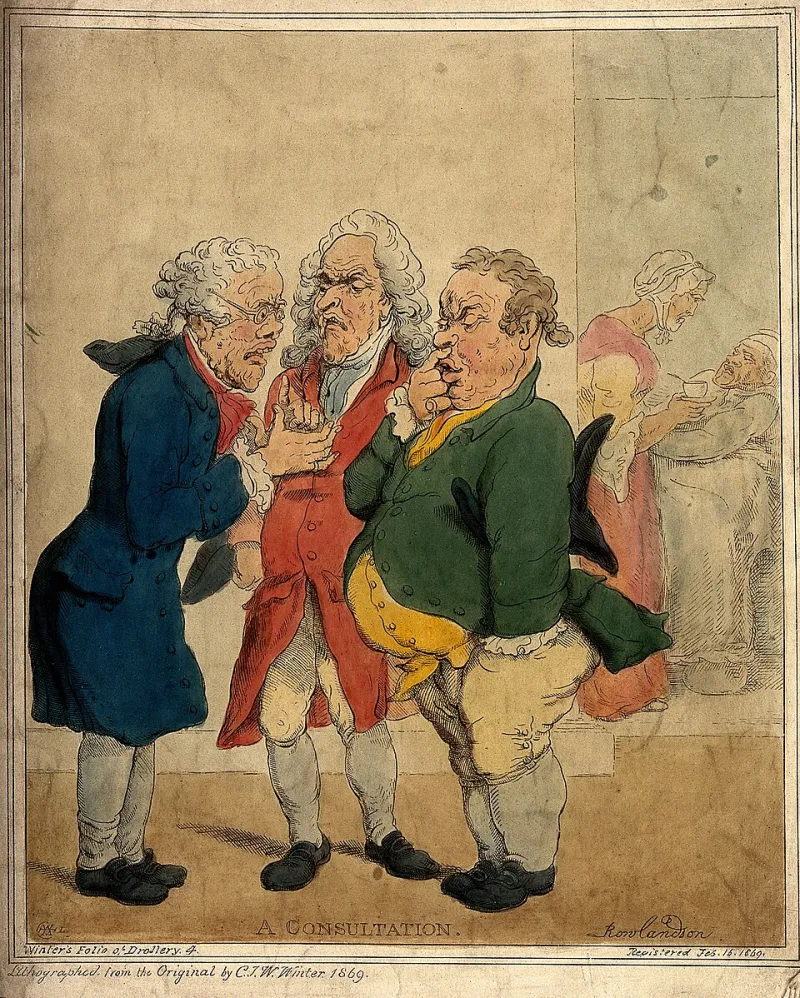
Photo: doctor patient consultation medication alcohol warning clinical office, via www.urgentcaremds.com
Every patient who receives a trazodone prescription eventually encounters the same boilerplate instruction: do not drink alcohol while taking this medication. It appears on pharmacy printouts, medication guides, and countless health websites. And yet, in clinical practice, the reality is considerably more nuanced. Patients ask their doctors whether a single glass of wine at a family dinner is genuinely dangerous, or whether the warning is the kind of broad liability disclaimer that gets applied to virtually every psychoactive compound. The honest answer requires moving well past the label and into the underlying pharmacology.
How Trazodone and Alcohol Interact at the Molecular Level
Trazodone belongs to a class known as serotonin antagonist and reuptake inhibitors (SARIs). Its primary mechanism involves blocking certain serotonin receptors—particularly the 5-HT2A subtype—while also inhibiting serotonin reuptake. It also carries meaningful antihistaminergic properties, which largely account for its sedative effects.
Alcohol, for its part, is a central nervous system (CNS) depressant that enhances gamma-aminobutyric acid (GABA) activity and simultaneously suppresses glutamate signaling. The result is generalized neurological slowing: reduced reaction time, impaired coordination, decreased respiratory drive at high doses, and sedation.
When both substances are present simultaneously, their sedative effects are additive—and in some patients, synergistic. Trazodone's antihistaminergic load amplifies the drowsiness that alcohol already produces. Patients may experience significantly greater impairment than they would anticipate based on their typical response to either substance alone. This is the most straightforward and clinically consistent element of the interaction: sedation compounds in a way that can impair driving, increase fall risk in older adults, and compromise respiratory function in individuals with sleep apnea or compromised pulmonary reserve.
The CYP3A4 Dimension: Metabolic Competition
A less frequently discussed but pharmacologically important component of this interaction involves drug metabolism. Trazodone is primarily metabolized by the cytochrome P450 enzyme CYP3A4 in the liver. Alcohol, particularly with acute ingestion, can inhibit CYP3A4 activity—meaning that trazodone may be cleared from the body more slowly when alcohol is present.
The practical consequence is elevated trazodone plasma concentrations. A dose that a patient tolerates comfortably under normal circumstances may produce stronger sedation, more pronounced orthostatic hypotension, or greater cognitive impairment when that same patient consumes alcohol. This metabolic interaction is dose-dependent and time-dependent: the more alcohol consumed and the closer in timing to the trazodone dose, the more pronounced the effect is likely to be.
It is worth noting that chronic heavy alcohol use creates a different metabolic picture. Long-term excessive drinking can actually induce CYP3A4 activity, potentially reducing trazodone's efficacy rather than amplifying it—an important consideration when evaluating patients with alcohol use disorder who are being treated with trazodone for co-occurring depression or insomnia.
Who Faces the Highest Risk?
The clinical picture is not uniform across patients. Several factors substantially elevate the risk profile:
Older adults represent a particularly vulnerable population. Age-related changes in hepatic metabolism, reduced lean body mass, and increased sensitivity to CNS depressants all compound the interaction. Falls following nighttime sedation remain a serious concern in this demographic, and the combination of trazodone and even modest alcohol consumption may push sedation to a level that is genuinely dangerous.
Patients taking higher trazodone doses (above 150 mg, which is common in antidepressant rather than sleep-focused applications) carry a proportionally greater burden of CNS depression risk. The interaction scales with the drug's baseline sedative contribution.
Individuals with hepatic impairment—whether from chronic alcohol use, viral hepatitis, fatty liver disease, or other causes—metabolize both substances more slowly. The result is prolonged and elevated exposure to both compounds.
Patients on concurrent medications that also inhibit CYP3A4 (including certain antifungals, macrolide antibiotics, and some HIV medications) face further compounding of the metabolic interaction.
Those with sleep apnea or other respiratory vulnerabilities face heightened risk from combined respiratory depression, particularly when trazodone is dosed in the evening for sleep.
When Social Drinking May Be More Navigable
For a healthy adult in their thirties or forties, taking a low dose of trazodone (50 mg) for sleep assistance, with no hepatic disease and no interacting medications, the pharmacological picture is different from the scenarios described above. The risk is not zero—sedation will still be enhanced—but a single standard drink consumed several hours before the trazodone dose represents a materially different exposure than drinking concurrent with medication ingestion.
Timing matters considerably. Because trazodone's peak plasma concentration typically occurs one to two hours after oral ingestion, alcohol consumed well before the dose may be substantially metabolized before the two substances overlap at their highest concentrations. This is not a clinical endorsement of drinking while on trazodone; it is an acknowledgment that providers who counsel patients with rigid, context-free prohibitions may inadvertently undermine trust and reduce adherence.
The more productive clinical conversation involves individualized risk stratification: understanding the patient's dose, their baseline health status, the purpose for which trazodone is prescribed, and their typical patterns of alcohol use. Patients who consume alcohol regularly and are being initiated on trazodone for depression should be counseled explicitly that alcohol itself is a CNS depressant that can worsen depressive symptoms—a consideration that extends well beyond the pharmacokinetic interaction.
Practical Guidance for Patients and Providers
For patients who choose to consume alcohol while taking trazodone, several harm-reduction principles apply:
- Avoid concurrent timing. Alcohol consumed close to the trazodone dose creates the highest risk of compounded sedation and metabolic interaction.
- Do not drive or operate machinery for an extended period following any combination of the two substances.
- Start low. Patients newly initiated on trazodone should establish their individual response to the medication before introducing any alcohol.
- Communicate openly with your provider. Patients who drink socially should discuss this with their prescribing clinician rather than simply ignoring the warning label—the conversation allows for individualized guidance rather than one-size-fits-all restriction.
For clinicians, documentation of alcohol use patterns at the time of trazodone initiation, combined with frank discussion of the specific mechanisms rather than generic warnings, is likely to produce better-informed patients and improved safety outcomes.
The warning label is not wrong. But medicine has always lived in the space between what a label can say and what a clinician can explain.