Trazodone Guide Clinical Insights on Antidepressant Therapy

Trazodone Guide

Clinical Insights on Antidepressant Therapy

Latest Articles

Beyond the Warning Label: A Clinical Look at Trazodone and Alcohol Risk
Clinical Pharmacology

Beyond the Warning Label: A Clinical Look at Trazodone and Alcohol Risk

The standard advice to avoid alcohol while taking trazodone is well-intentioned but incomplete. A closer examination of the pharmacological mechanisms reveals a spectrum of risk that varies considerably depending on dose, timing, and individual patient factors—and understanding that spectrum can meaningfully change how providers counsel their patients.
When Your Antidepressant Also Treats Your Pain: Trazodone's Emerging Role in Chronic Pain Management
Patient Education

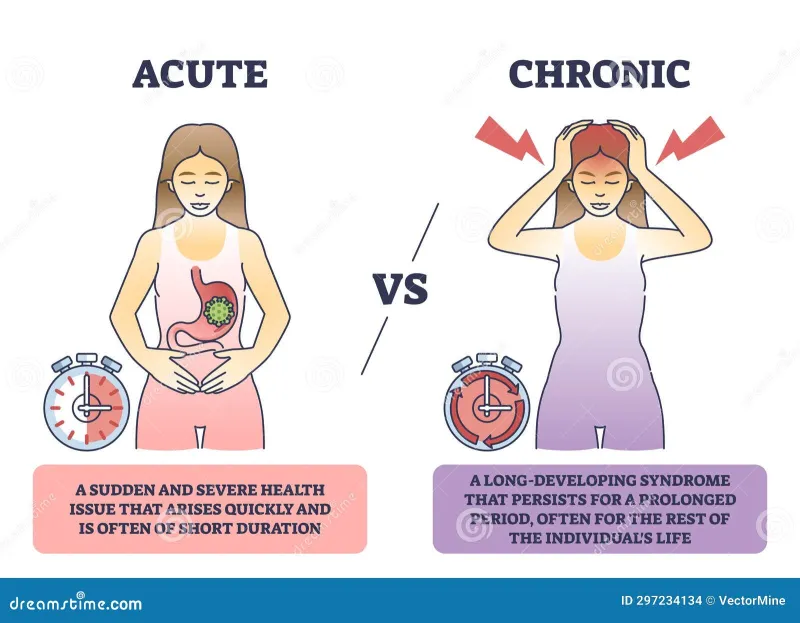
When Your Antidepressant Also Treats Your Pain: Trazodone's Emerging Role in Chronic Pain Management

Most patients prescribed trazodone expect it to address depression or sleep difficulties—but a growing body of clinical evidence suggests the medication may offer meaningful relief for certain chronic pain conditions as well. From fibromyalgia to neuropathic pain, understanding why trazodone works in the pain context requires a closer look at its pharmacological profile and its underappreciated relationship with sleep.

Trazodone and Body Weight: What the Clinical Data Actually Shows
Clinical Pharmacology

Trazodone and Body Weight: What the Clinical Data Actually Shows

Weight gain is among the most frequently cited concerns patients raise before starting trazodone, yet the clinical picture is considerably more nuanced than popular perception suggests. This article examines the pharmacological mechanisms behind appetite changes, identifies which patient populations carry the greatest metabolic risk, and offers evidence-based guidance for monitoring weight during trazodone therapy. Understanding the distinction between documented outcomes and patient anxiety is

Why Trazodone May Lose Its Effect Over Time—and What to Do About It
Patient Education

Why Trazodone May Lose Its Effect Over Time—and What to Do About It

Some patients who have relied on trazodone successfully for months or even years begin to notice that the medication no longer delivers the same relief. This phenomenon—sometimes called tachyphylaxis or treatment plateau—can be disorienting and discouraging. Understanding whether diminishing effects reflect true pharmacological tolerance, disease progression, or other clinical variables is the essential first step toward finding a path forward.

The Sexual Side Effects of Trazodone: Evidence, Mechanisms, and the Conversations Every Patient Deserves to Have
Patient Education

The Sexual Side Effects of Trazodone: Evidence, Mechanisms, and the Conversations Every Patient Deserves to Have

Sexual dysfunction is among the most underreported—and undertreated—consequences of antidepressant therapy. Trazodone occupies a nuanced position in this conversation, offering a more favorable profile than many alternatives while carrying its own distinct risks. Understanding the clinical evidence empowers patients to have informed, candid discussions with their prescribers.

Clinical Pharmacology

Trazodone's Unlikely Rise—and Complicated Future—in American Psychiatric Practice

Once dismissed as a second-tier antidepressant, trazodone quietly became one of the most prescribed psychiatric medications in the United States—largely for uses its original approval never anticipated. An examination of its pharmacology, real-world prescribing data, and evolving clinical guidelines reveals both why that ascent happened and why the conversation around trazodone is growing more complicated.

How Trazodone Reshapes the Sleeping Brain: A Clinical Case for Moving Beyond Benzodiazepines
Clinical Pharmacology

How Trazodone Reshapes the Sleeping Brain: A Clinical Case for Moving Beyond Benzodiazepines

Unlike conventional sleeping pills that sedate indiscriminately, trazodone interacts with specific neurotransmitter systems to preserve the brain's natural sleep architecture. For the millions of Americans managing both depression and chronic insomnia, this distinction carries meaningful clinical weight. This article examines the pharmacological science behind trazodone's sleep benefits and what the evidence says about patient outcomes.

50 mg or 400 mg? Understanding Why Trazodone Dosing Looks So Different From Patient to Patient
Patient Education

50 mg or 400 mg? Understanding Why Trazodone Dosing Looks So Different From Patient to Patient

Trazodone is one of the few psychiatric medications routinely prescribed at doses that differ by a factor of eight depending on the clinical goal. This variability confuses many patients—and occasionally surprises clinicians unfamiliar with its dual-purpose pharmacology. This guide breaks down the science and strategy behind trazodone dosing decisions so patients can have more informed conversations with their healthcare providers.